Everyday Streets: Turning Ordinary Walks into Visual Narratives
Street observation as narrative practice
Storytelling in photography is less about a single decisive moment and more about the accumulation of choices. A short sequence of images can suggest time, character, and mood without needing a dramatic incident. This article outlines a five-shot routine and observation habits that transform ordinary walks into coherent visual stories.
The five-shot routine
On a walk, aim to make five related images within a 10–30 minute window that together imply a simple narrative arc: place, character, detail, interaction, and resolution. The shots are brief prompts rather than final statements.
- Place: start with a wide establishing frame that shows where you are and sets a tone.
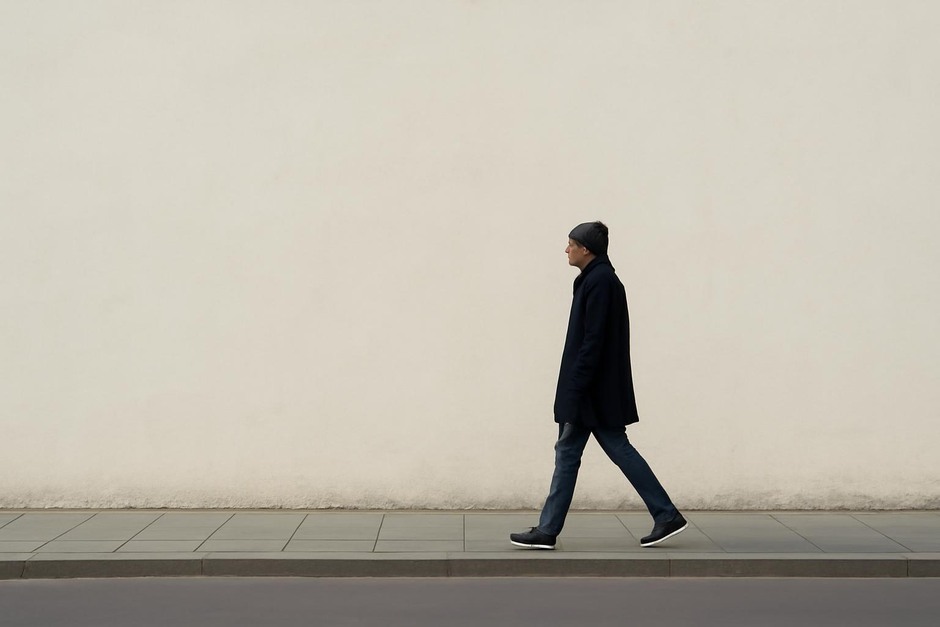
- Character: find a person or persistent subject in the scene and make a mid-distance portrait or contextual portrait.
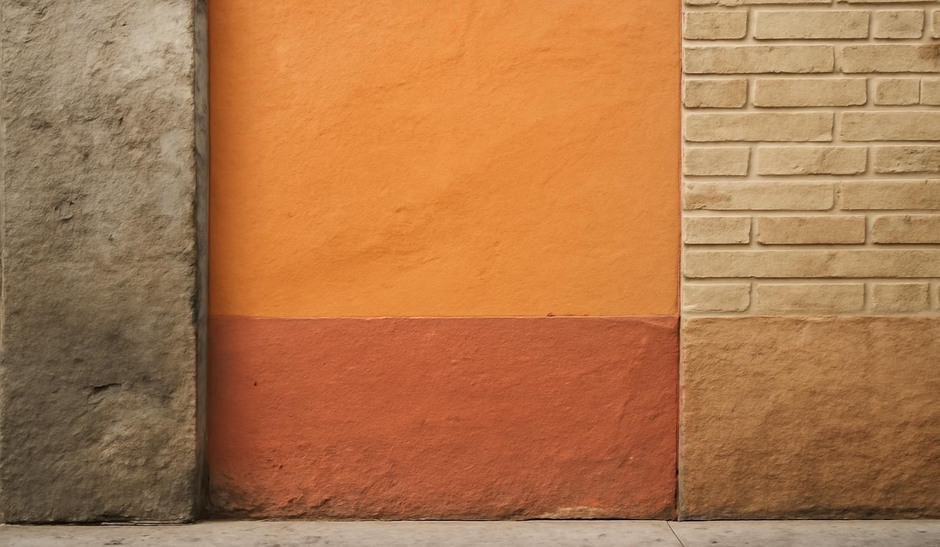
- Detail: capture a texture, sign, or object that hints at the environment’s life.
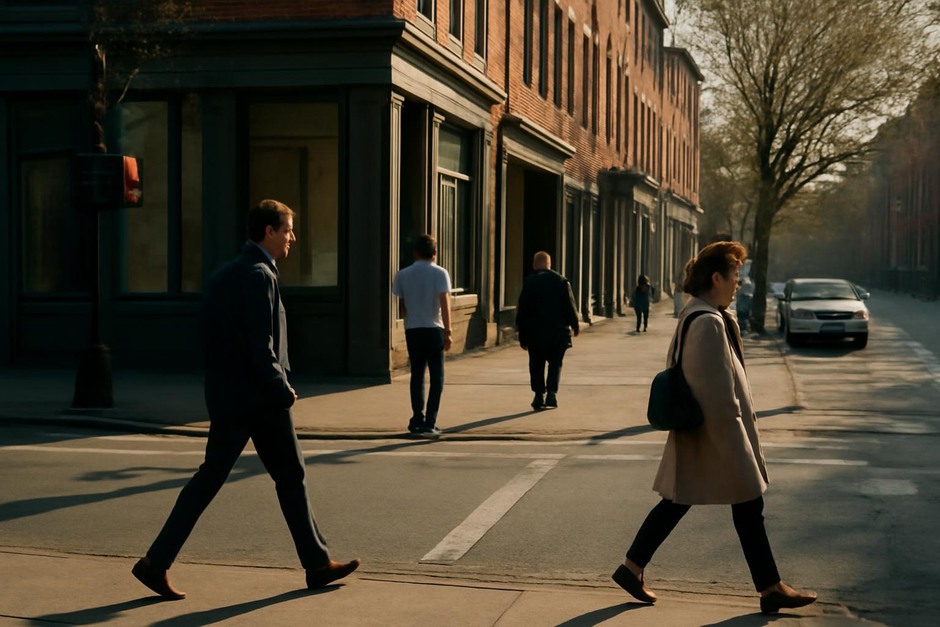
- Interaction: photograph a small exchange — a gesture, a glance, a mechanical action — that suggests relationship or purpose.
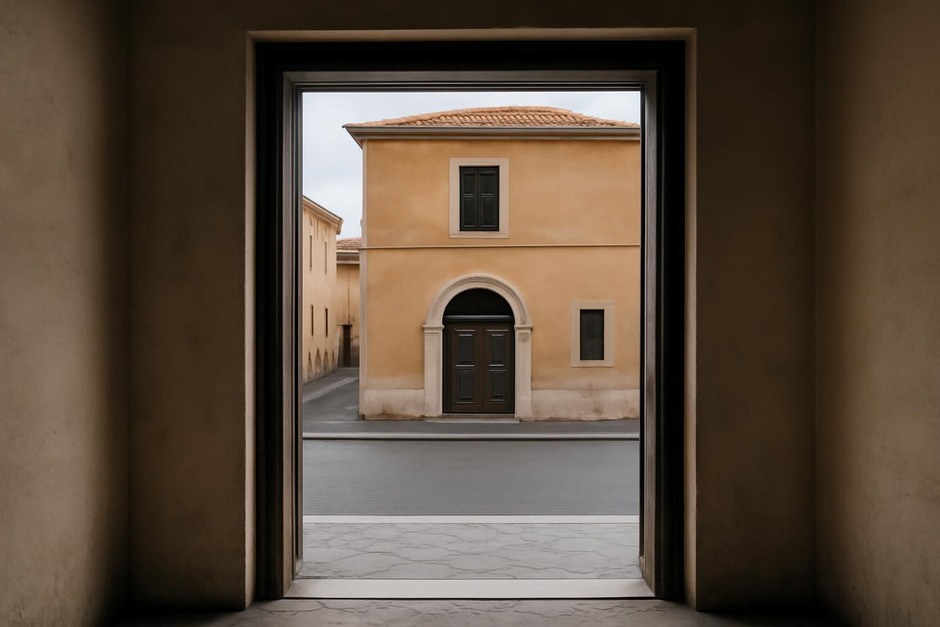
- Resolution: end with a quiet image that closes the sequence, like a doorway, a receding street, or a fading light.
Observation habits while walking
- Slow pace: walk deliberately slower than usual to notice repetitions and small moments.
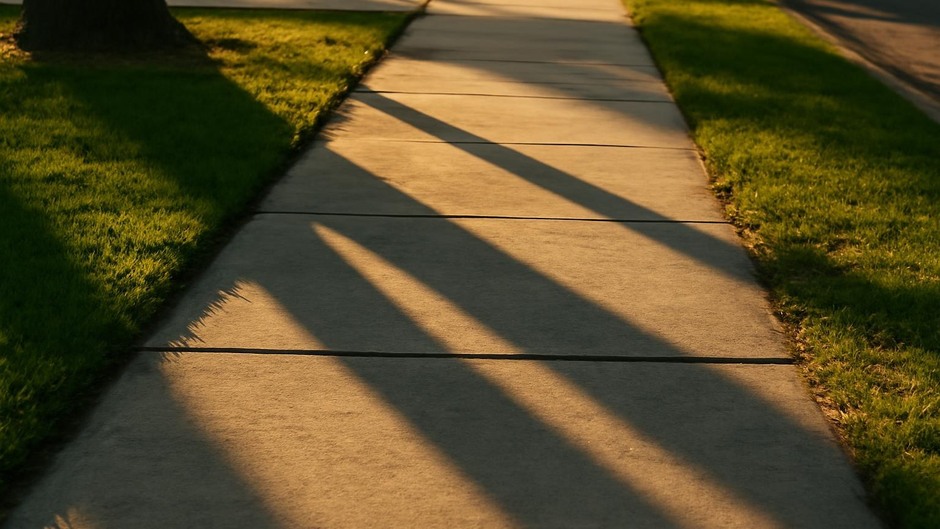
- Three-second rule: pause for three seconds at any interesting intersection to let the scene settle before choosing a frame.
- Peripheral awareness: keep an eye on edges; stories often start on the margins where two elements meet.
Editing on the move
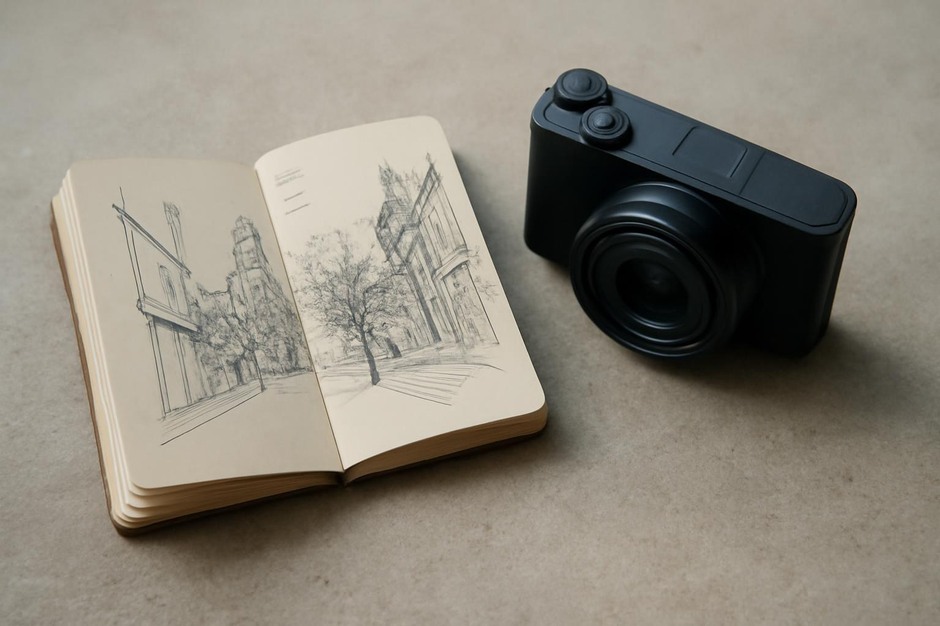
Quickly review your five images on your device. Trim any shot that feels redundant. Consider sequence order — sometimes swapping two images clarifies the implied action. The editing is part of the storytelling exercise: you learn which images carry narrative weight and why.
Short exercises to try
- Object as protagonist: pick a recurring object — a bicycle, a newspaper stand — and create a five-image sequence centered on that object’s role in the street.
- Time-shifted series: visit the same street three times in a day and make a 3×5 image grid showing change and continuity.
- Contrast pairings: intentionally include a quiet and a noisy frame to emphasize contrast within the same sequence.
Doing these routines regularly makes you better at noticing connections between unrelated details and at composing sequences that feel cohesive. Over time your walks turn from simple transit into structured observation sessions that reveal layered stories in ordinary places.