Minimal Frames: Simplifying Scenes for Stronger Photos
The value of less
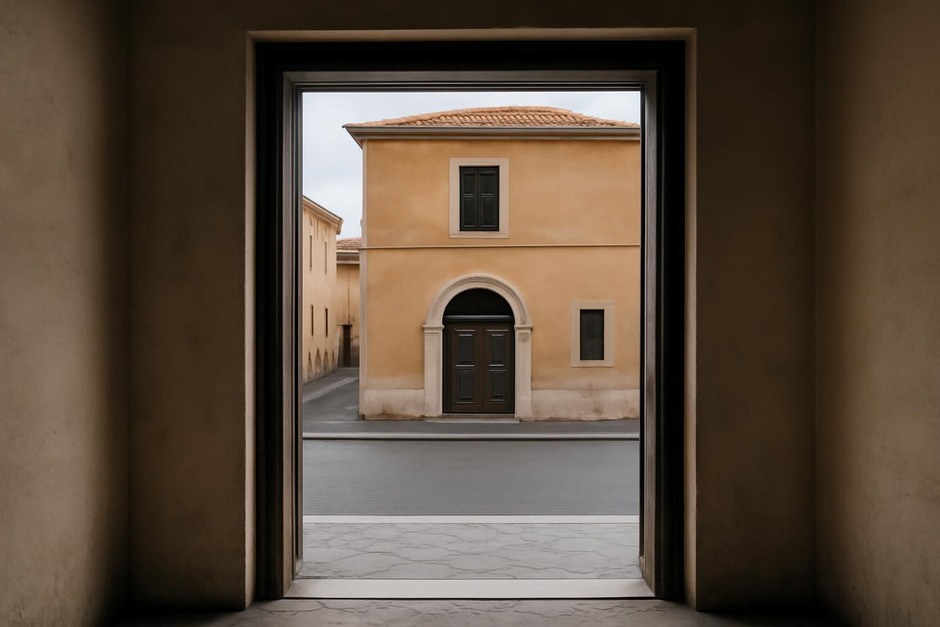
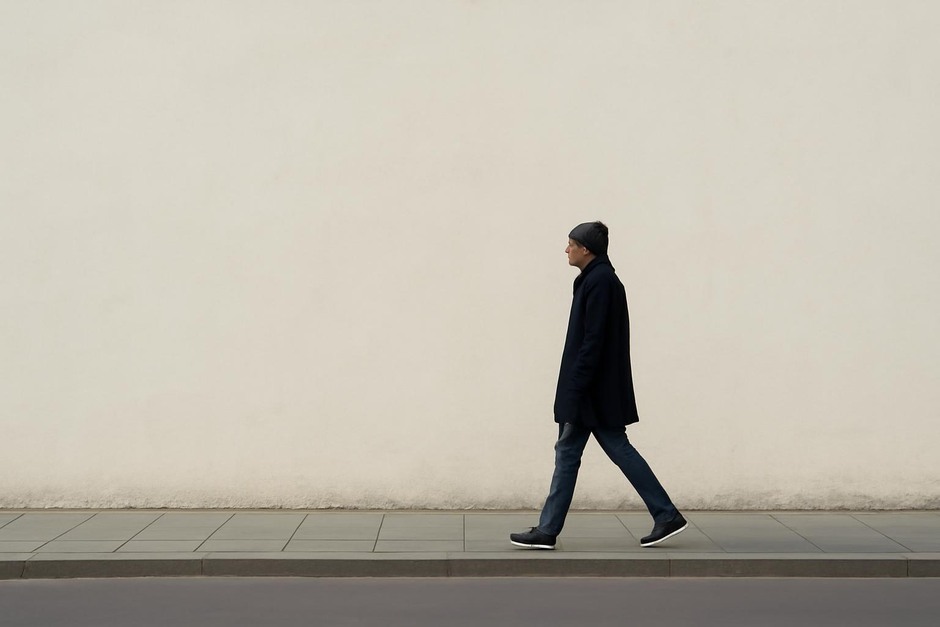
Minimal photography requires restraint. Reducing elements in a frame clarifies relationships and gives the viewer room to breathe. Minimalism is not about emptiness for its own sake but about choosing a few strong elements and arranging them deliberately. The exercises below help you practice removal and focus.
Elimination exercise (10–15 minutes)
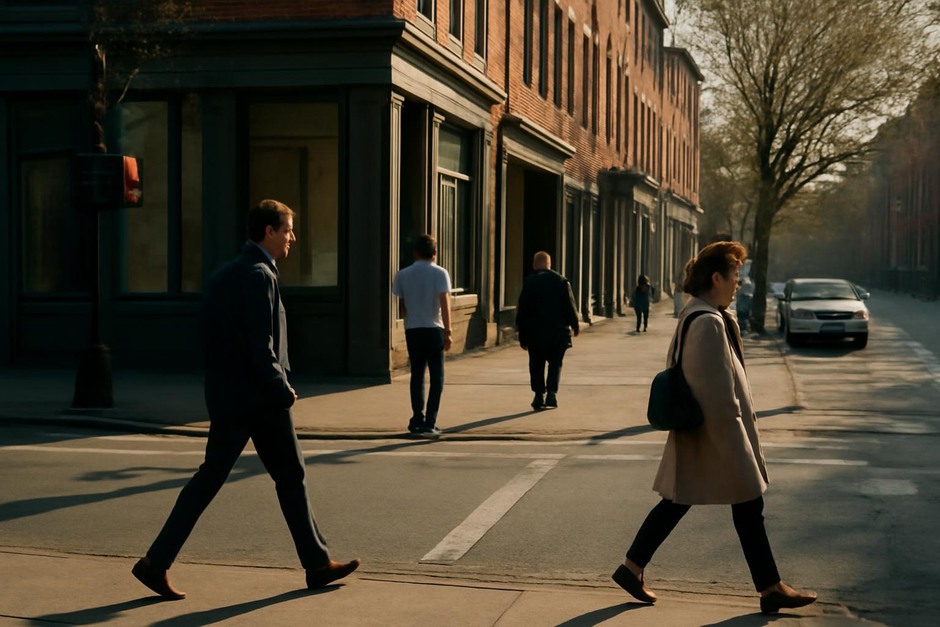
Find a busy scene and make three progressively simpler frames by removing elements from the edges and foreground. Each step should remove one visual element. Pay attention to how the remaining subjects gain presence as clutter disappears.
Single-subject study (10–20 minutes)
Choose one subject and make five variations that isolate it against different backgrounds: plain wall, sky, textured surface, shadow, and reflective surface. Notice which background gives the subject the most character and why.
Negative space practice (10 minutes)
Compose three images that emphasize empty space. Try placing the subject in different thirds and leaving the rest as breathing room. Observe how the empty area changes the perceived scale and tension.
Contrast and restraint (15 minutes)
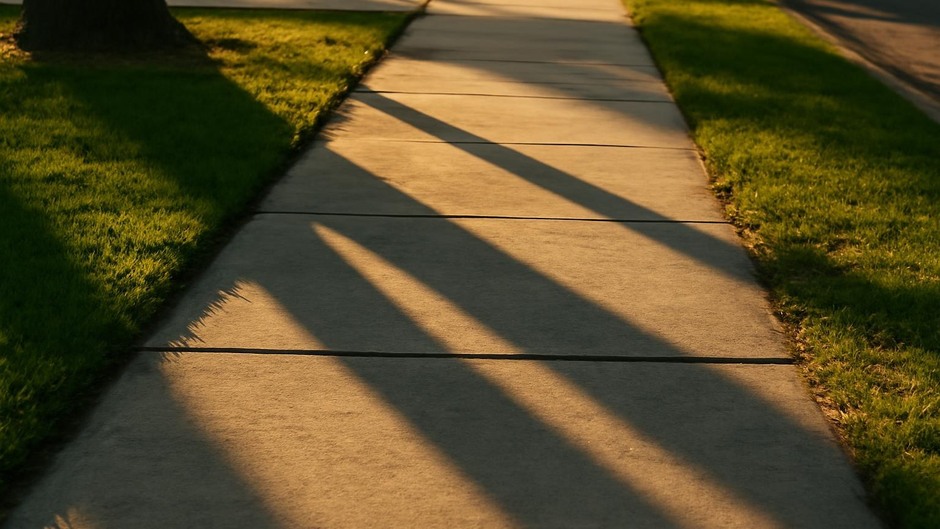
Create frames that rely on two strong tonal values — dark and light — and avoid midtones. This high-contrast approach simplifies reading and strengthens silhouette and line.
Daily minimal routine
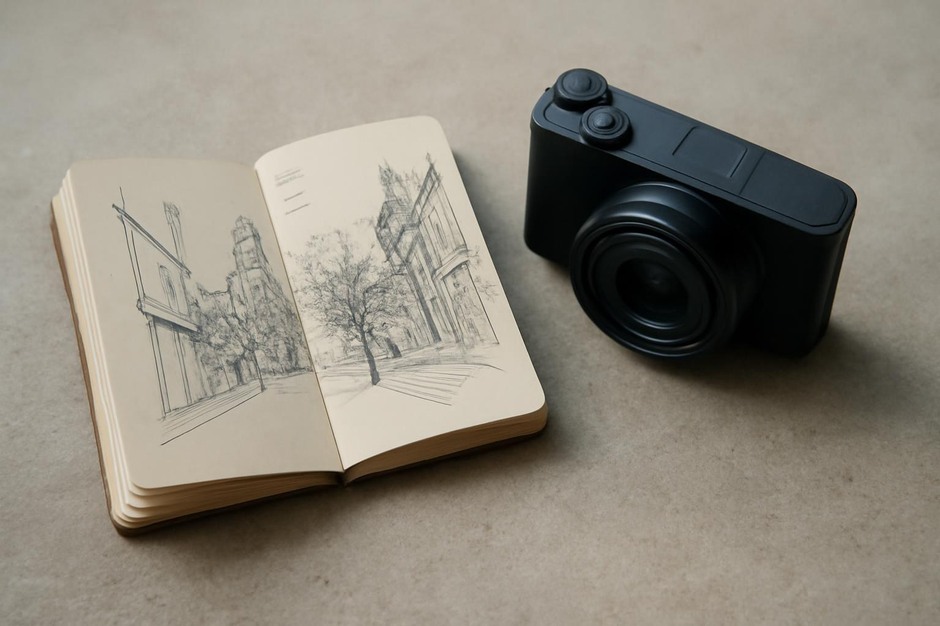
Set a five-minute minimal challenge: make one image a day that obeys a two-element rule. For example, subject+space, shape+shadow, or color+silhouette. Keep the images in a dedicated folder and review a small selection weekly. The repetition trains your eye to find compositional economy in ordinary places.
Notes on practice
Minimal work can feel formal or static if overused. Balance minimal exercises with other routines that emphasize texture, color, or narrative. Use minimal framing as a tool to clarify a visual idea, not as the only way to shoot. The skill is in knowing when restraint strengthens the story and when detail is essential.