Pocket Sketchbook to Pocket Camera: Bridging Drawing and Photographic Seeing
Why draw when you photograph?
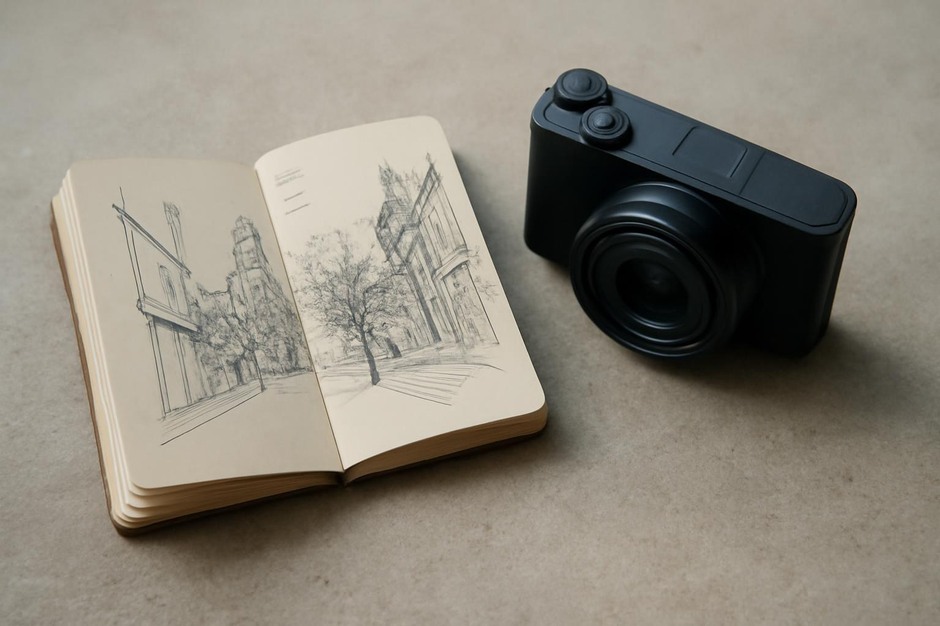
Sketching is a low-commitment way to slow down and encode visual information. Even quick thumbnails reinforce proportion, rhythm, and the relationships between shapes. Combining sketchbook practice with photography builds visual memory and helps you make more intentional framing choices with the camera.
Five-minute thumbnail routine (5–10 minutes)
Carry a small sketchbook and a pen. When you notice a scene, give yourself five minutes to make three thumbnails: wide, mid, and detail. These need not be precise; they are prompts that force you to consider what to include or exclude. After sketching, make the corresponding three photos. Compare how the thumbnails guided or limited your camera choices.
Line-first framing exercise (10–20 minutes)
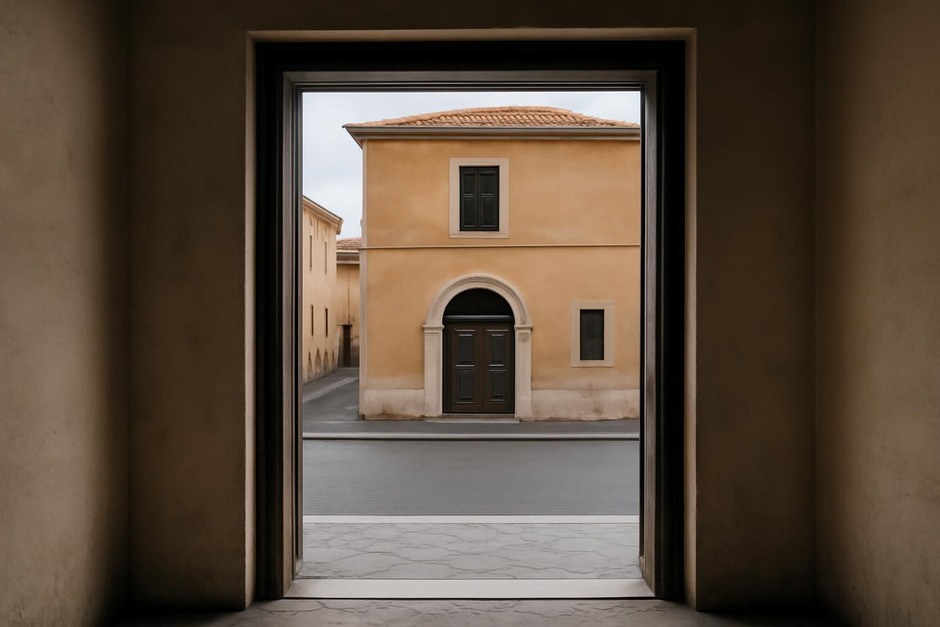
Draw the dominant lines of a scene — horizons, façades, rails — as simple single strokes. Use those lines as compositional guidelines when you photograph. This practice helps you prioritize structure over surface detail.
Value sketching for light (10–15 minutes)
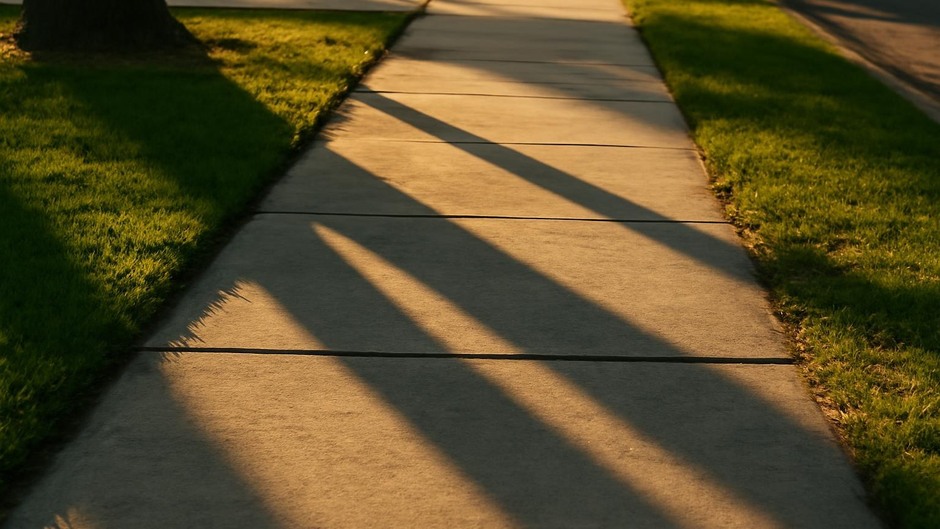
Using pens or a soft pencil, make two-value sketches of a scene (dark and light). This simplifies tonal relationships and trains you to expose for mood. Afterward, photograph the scene using the tonal study as a guide for metering and exposure decisions.
Daily pairing routine
Commit to a short pairing each day: three thumbnails and three photos or a value sketch and a tonal photograph. Keep a small log noting time and location. After a week, compare sketches and images side by side. You will notice more decisive framing and clearer tonal choices in the photographs informed by drawing.
Benefits to expect
Sketching slows you down and sharpens attention to relationships. It makes you less likely to include unnecessary elements and more likely to see composition as an active selection. Over time, sketchbook-coupled practice builds both memory and intention, so you arrive at scenes with clearer visual goals and stronger photographic choices.